
Keeping Homeschooled Kids Fit: Sports You Should Consider
Homeschooling brings countless educational benefits—personalized pacing, flexible scheduling, and a learning environment tailored to each child. However, there’s one area where homeschooled kids often need an intentional boost: physical activity. Unlike traditional school systems with built-in gym classes and recess, movement isn’t always naturally woven into a homeschool day. This makes sports and structured physical activities especially valuable.
Fortunately, there’s a wide range of sports and outdoor activities that can keep homeschooled kids fit, confident, and socially active. Whether your child thrives in competitive environments or enjoys solo sports, there’s something suitable for every interest and personality type.
Why Fitness Matters for Homeschoolers
Physical activity isn’t just about staying in shape—though that’s an important part of overall health. Sports offer homeschooled children additional benefits including:
Improved Motor Skills: Running, jumping, throwing, and balancing refine coordination.
Better Focus: Kids who stay physically active tend to concentrate better during academic lessons.
Social Development: Team sports offer chances to build friendships and practice collaboration.
Confidence Boost: Mastering new skills helps children develop self-esteem and resilience.
When fitness becomes part of daily or weekly routine, the advantages compound over time.
Swimming: A Skill for Life
Swimming is one of the most well-rounded activities for children. It builds endurance, muscle tone, lung capacity, and flexibility—all while being relatively low impact and safe for growing joints. It’s an ideal sport for homeschooled kids because it can be practiced year-round and adapted to different skill levels.
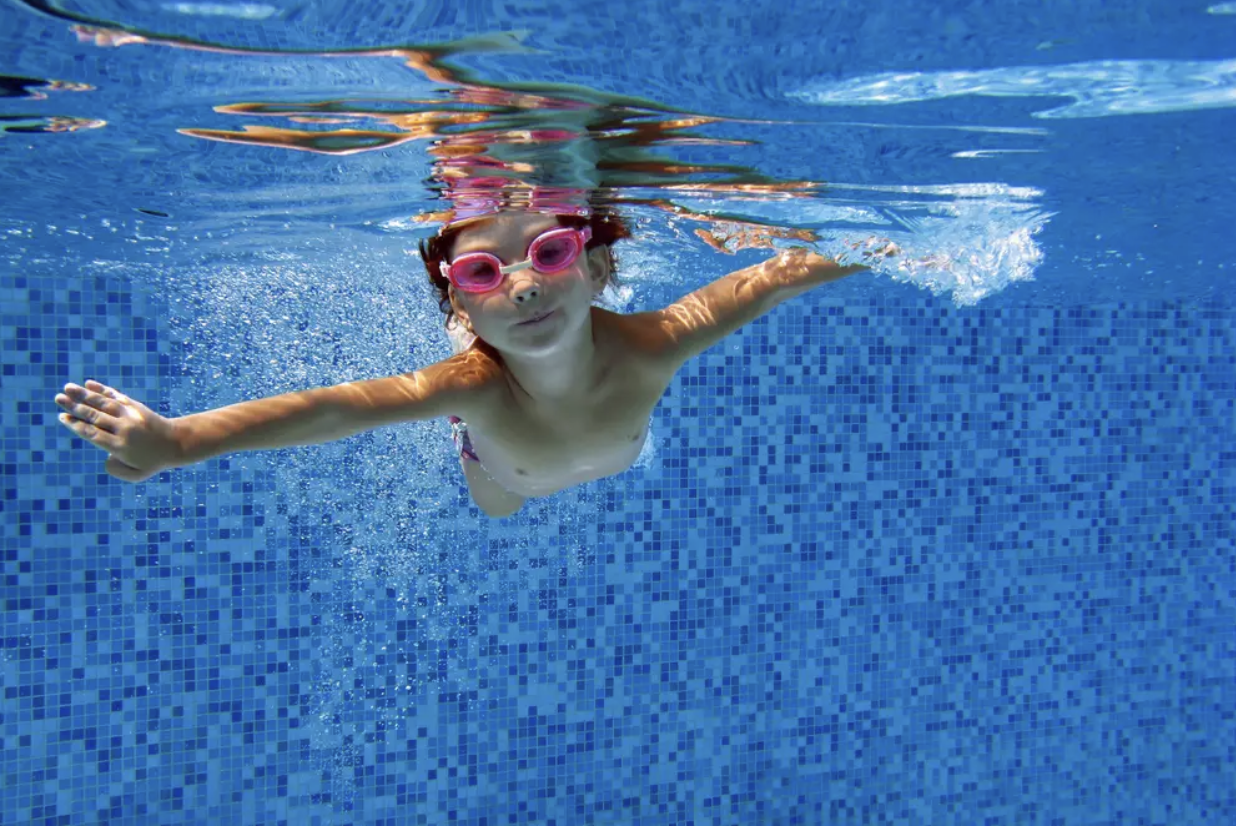
Parents often look for structured lessons so kids can learn proper technique, develop stroke efficiency, and build confidence in the water. Many families search for local swim lessons that offer small group or private coaching, making it easy to integrate into a homeschool lifestyle. Once kids learn foundational skills, swimming can lead to recreational swimming, competitive teams, or even lifeguarding opportunities as they get older.
Tennis: Portable, Engaging, and Skill-Building
Tennis has long been praised for its complexity, coordination demands, and long-term health benefits. It builds strength, agility, speed, and strategy — all at once. It’s also one of the few sports kids can continue into adulthood without needing a big team to organize.
Tennis facilities, parks, and private courts offer easy access to instruction throughout the year. Even in active cities, families can find programs designed for kids of all ages, including one-on-one instruction, which is excellent for homeschooled scheduling flexibility. For example, many families pursuing tennis in San Jose choose smaller training groups that cater to daytime schedules when courts are less crowded.
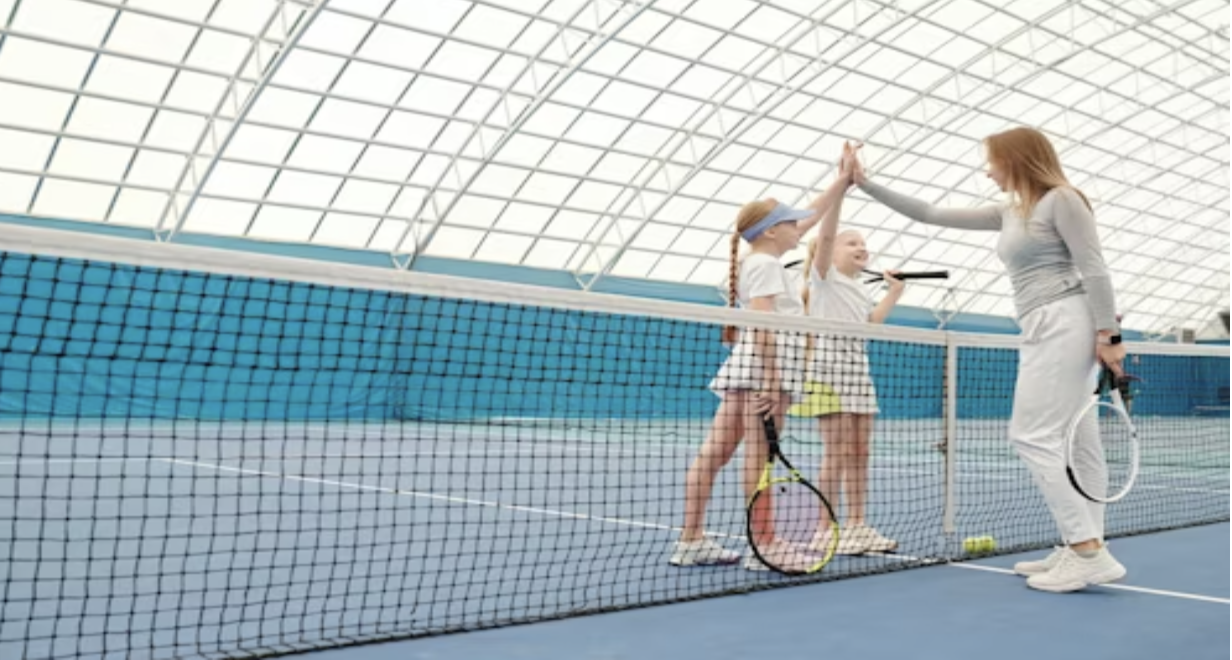
One major benefit of tennis for homeschoolers is socialization. Even in private lessons, children interact with coaches and other players, learning sportsmanship and communication skills. It’s also an ideal sport for siblings to learn together, especially if they enjoy competitive play.
Soccer for Endless Energy
If you’re raising a child who seems to have limitless energy, soccer is an ideal outlet. The sport is fast-paced, team-oriented, and heavy on cardio, making it a fun way to keep the heart and mind active. Homeschooled kids can join recreational leagues, private clubs, or neighborhood teams — or even play informally in a local park.
Soccer teaches children how to work as part of a team, anticipate movement, and strategize on the field. These transferable skills carry over into academics, especially when developing problem-solving and communication abilities.
Martial Arts for Discipline and Focus
Martial arts disciplines like karate, taekwondo, and Brazilian jiu-jitsu offer more than just physical conditioning. They emphasize:
Mental focus
Respect
Routine building
Goal setting
This makes them an excellent fit for homeschoolers, who often thrive in structured learning environments. Belt-based progression also gives kids clear milestones, helping them stay motivated and committed.
Many martial arts programs offer daytime classes, which homeschool families often appreciate due to less busy schedules and smaller class sizes.
Gymnastics & Tumbling for Flexibility + Strength
Gymnastics is a wonderful option for younger homeschoolers, especially those who love movement, climbing, and flipping. Even basic tumbling builds incredible core strength, coordination, and body awareness. These foundational skills transfer into almost every other sport — from dance to soccer to martial arts.
Many gyms offer youth gymnastics programs in progressive levels, which means kids can develop skills at their own pace and continue advancing if they show passion.
Running & Track Sports: Simple and Independent
Running may be the most accessible sport of all. There’s no equipment barrier, no field to rent, and very few rules other than forward motion. For homeschooled kids who enjoy independent activities, running fosters self-discipline and personal goal-setting without the pressure of competition.
Families can enhance running programs by creating track challenges, encouraging kids to measure progress, or joining youth running groups to introduce social elements.
Cycling & Outdoor Adventure Activities
Outdoor sports such as cycling, trail hiking, skateboarding, and scootering are ideal for homeschool families because they promote exploration and independence. They also pair perfectly with field trips and science-based learning.
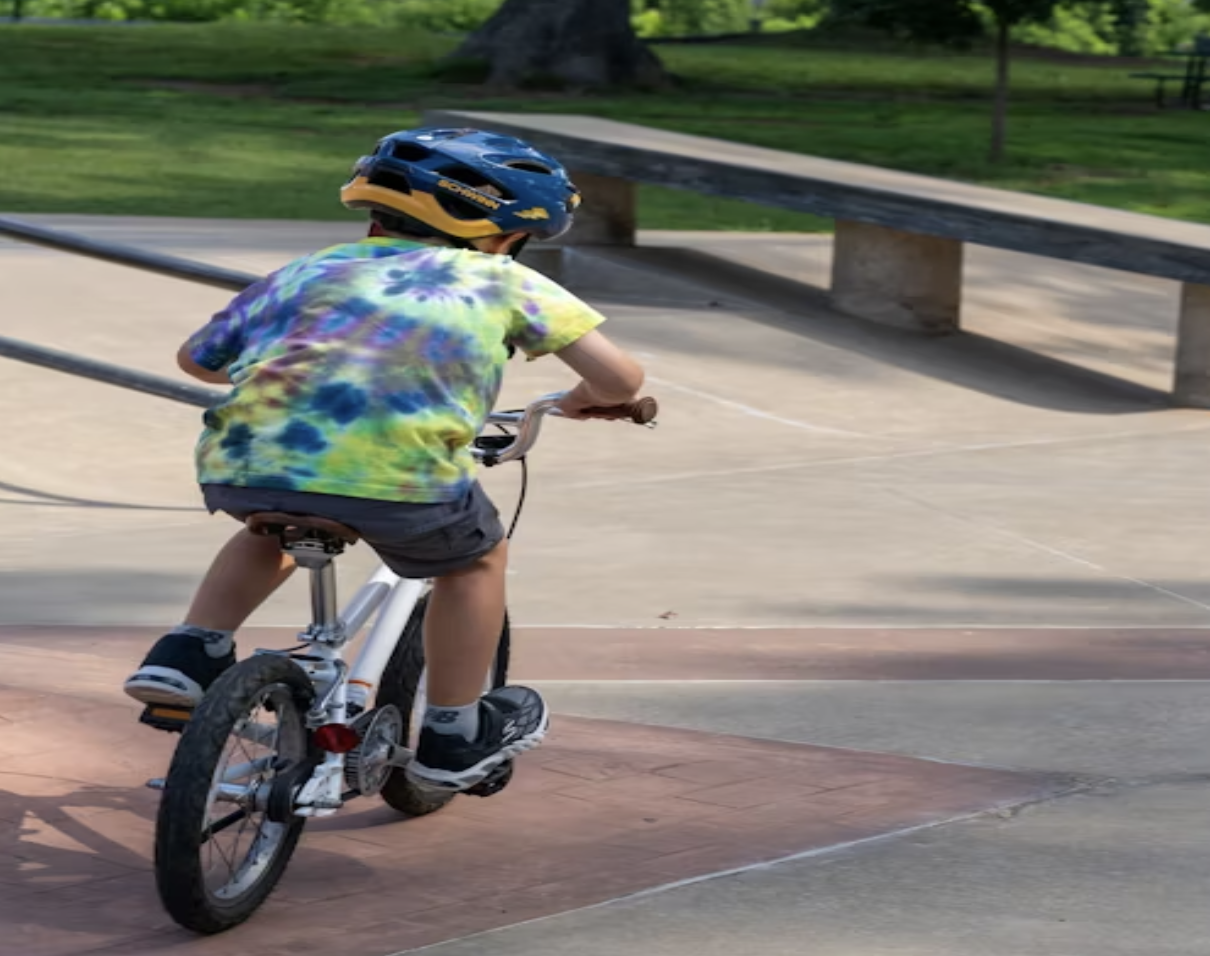
Kids who cycle build cardiovascular stamina, balance, and leg strength — plus they gain practical life skills around road awareness and navigation.
Bringing Fitness into the Homeschool Routine
Sports don’t have to be treated as an “extra” in homeschooling — they can be integrated smoothly into curriculum and daily rhythm. Parents can:
Schedule daytime sports lessons
Combine PE with science or health lessons
Form mini homeschool sports groups
Rotate seasonal sports to keep things fresh
Encourage participation in leagues or clubs for socialization