The Rise of Skateboarding in San Francisco — Kids and Adults Love It
San Francisco has always been a city that embraces movement—physically, culturally, and creatively. From the rolling hills to the diverse neighborhoods, active lifestyles blend seamlessly with artistic expression. Over the last decade, one sport in particular has gained serious momentum across age groups: skateboarding. What was once viewed as a rebellion-driven subculture has now evolved into a widely respected athletic pursuit, social connector, and community-powered activity enjoyed by both kids and adults.
Whether it’s used as a mode of transport, a fitness choice, a weekend hobby, or a competitive sport, skateboarding’s popularity in San Francisco continues to grow. And with visibility rising, more families, professionals, and even retirees are getting curious about stepping on a board for the first time—or returning after decades.
A Cultural Shift: From Subculture to Mainstream
Skateboarding’s cultural narrative has undergone a noticeable shift. For years, it was associated with gritty street scenes and skate videos filmed under overpasses. Today, the sport is seen everywhere—from Olympic broadcasts to elementary school play yards to boutique athletic retailers.
Pop culture played a big role. When skateboarding debuted as an Olympic sport in 2021, it changed perceptions globally. It became easier to view skating through the lens of technique, discipline, and athleticism rather than rebellion or risk-taking. Meanwhile in San Francisco, the city’s walkability, strong youth programs, and creative identity helped the sport take root in both structured and informal environments.
Parents now look at skateboarding as a positive outlet that builds coordination, balance, and resilience. Adults, especially those in creative or active professions, appreciate the mental release and physical challenge it offers. Instead of being “just for kids,” skateboarding now sits comfortably alongside cycling, running, climbing, and other lifestyle sports.
Why San Francisco Is the Perfect Skateboarding City
Location matters—and San Francisco’s geography gives skateboarding a unique charm. The city’s concrete landscapes, open public spaces, and iconic hills present natural terrain that is exciting and versatile for skaters. Smooth surfaces, sloped streets, and scenic ocean-adjacent paths make it possible to practice a mix of cruising, transition skating, and tricks depending on the rider’s mood.
Beyond physical terrain, San Francisco’s creative DNA also supports the sport’s growth. Many skaters treat their environment as a canvas—blending athletic skill with artistic interpretation. This resonates well with a city long known as a home for artists, innovators, and alternative thinkers.
Most importantly, the community is welcoming. Skateboarding thrives when experienced riders pass down knowledge to newbies, and that mentorship culture is very alive in the Bay Area. Whether at local skateparks, waterfront promenades, or neighborhood plazas, it’s common to find skaters of different ages interacting, swapping stories, and cheering on attempts—successful or not.
Kids on Boards: The Youth Skateboarding Boom
Among youth, skateboarding has gone from niche activity to mainstream elective. Parents who once worried about safety now see the sport as no different than gymnastics, BMX, or snowboarding—sports that build strength, coordination, and confidence.
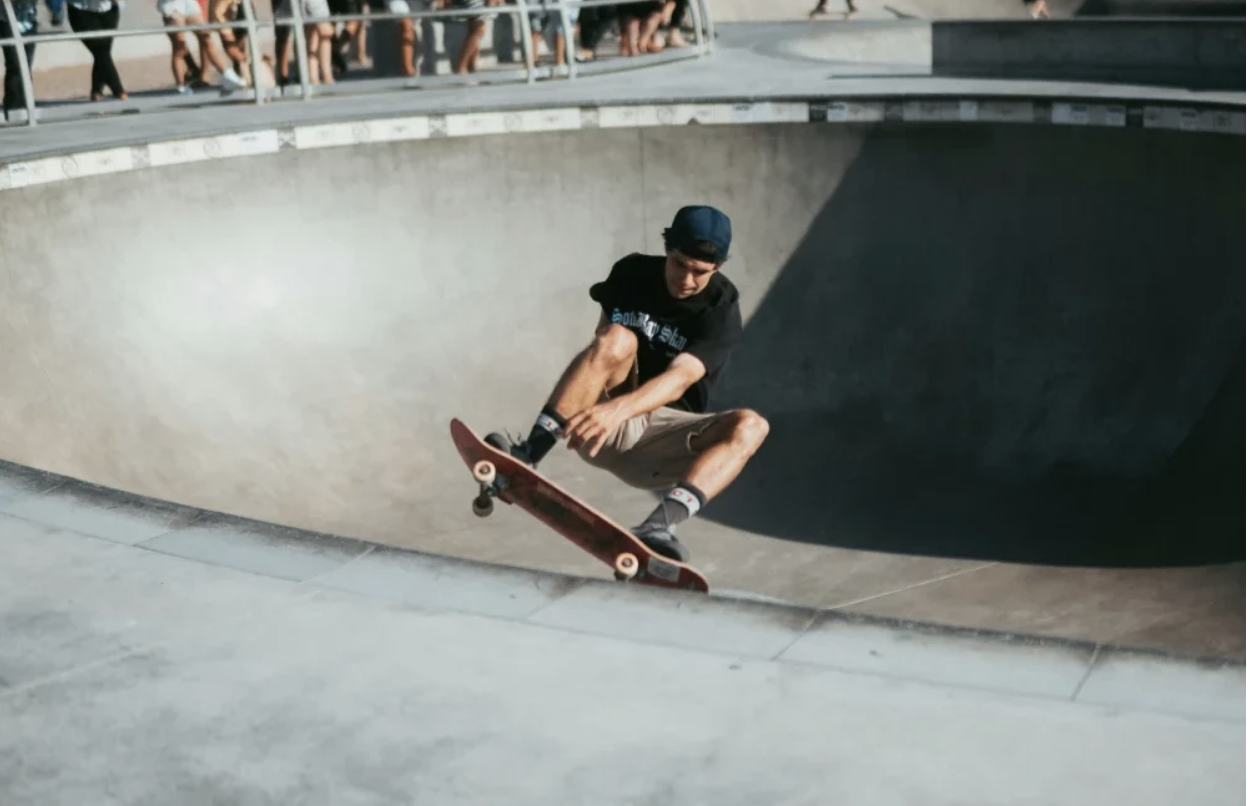
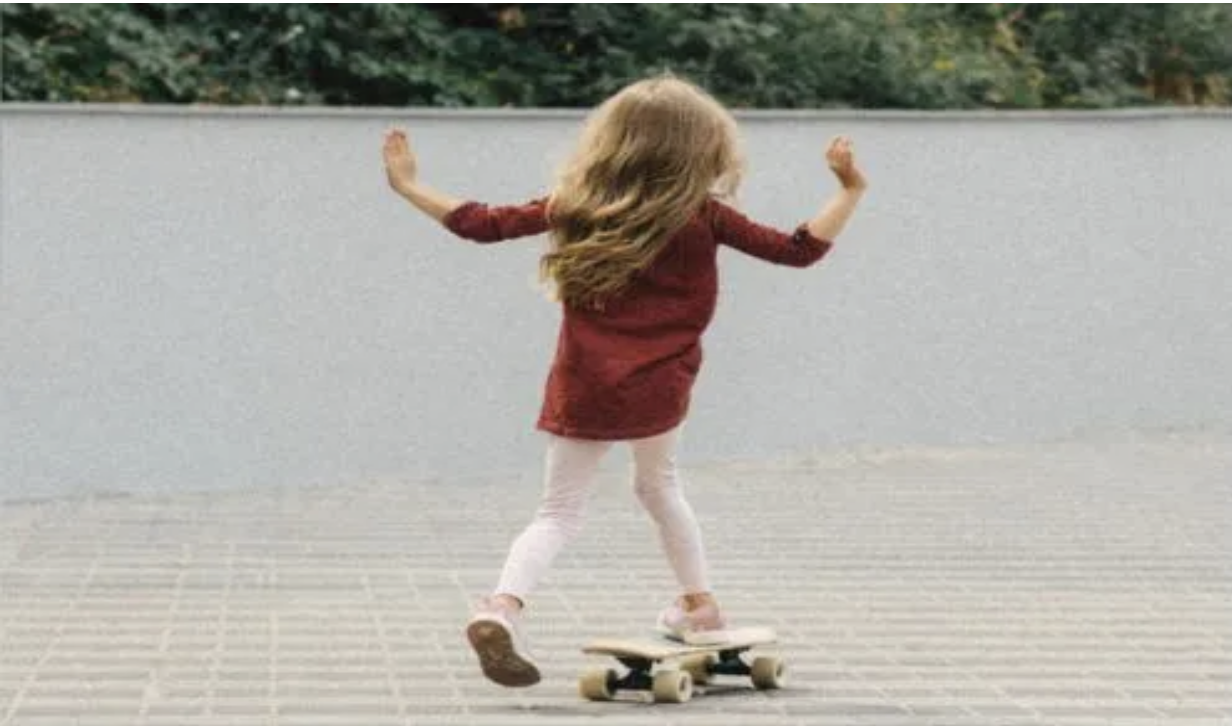
Kids tend to excel quickly. Their low center of gravity helps them balance, and their willingness to fall without overthinking makes learning smoother. Many families are using skateboarding as both a physical outlet and a solution to digital burnout. Instead of spending weekends glued to screens, kids are spending afternoons mastering ollies, carving bowls, or cruising down gentle slopes.
Another reason the youth skate scene exploded: inclusivity. Skateboarding doesn’t require team tryouts, minimum height, or expensive uniforms. A board, a helmet, and a safe place to skate are usually enough. It’s one of the few sports where late bloomers aren’t at a competitive disadvantage.
Adults Are Rediscovering the Joy of Skating
Adults are also contributing to skateboarding’s resurgence. Some are nostalgic—returning to the sport after years or decades. Others are first-timers who discovered skating during the pandemic when outdoor activities became the only social option. Many are simply looking for new hobbies that feel exciting and expressive.
Skating appeals particularly to people who dislike repetitive workouts. Because every trick or maneuver requires progression, the sport creates natural milestones and mini-successes that keep motivation high.
Instruction and Learning Pathways Are Growing
Another key factor powering skateboarding’s growth is accessibility to structured instruction. Years ago, beginners learned mostly from friends or trial-and-error. Today, coaching, small-group workshops, and even formalized programs are common throughout the Bay Area.
For children and adults who want guidance from the start, a San Francisco skateboard school can be a useful resource. Structured instruction accelerates progress, reduces injuries, and builds confidence—especially for riders who aren’t comfortable learning alone. It also offers social benefits, creating communities where riders motivate one another.
Parents especially appreciate the structure, as it ensures safe learning environments with proper equipment and supervision.
A Sport With a Bright Future in the Bay Area
With rising youth participation, growing adult interest, and expanding instruction, the trajectory for skateboarding in San Francisco is upward. The sport has found its place as part athletic pursuit, part artistic expression, and part social connector.
The diversity of the people skating also shows that barriers are coming down. Kids as young as four and adults in their 50s or 60s can be seen sharing spaces, learning side by side. Tech workers, students, artists, entrepreneurs, and parents are all represented in the skating community.
As more families embrace active city living, skateboarding fits effortlessly into the urban lifestyle—requiring minimal space, limited gear, and a willingness to have fun.
Skateboarding in San Francisco reflects the city itself: energetic, expressive, inclusive, and always evolving. What started as a counterculture sport now thrives as a family-friendly, age-inclusive activity that supports fitness, mental health, creativity, and outdoor play.
Whether cruising through scenic neighborhoods or mastering tricks at community hubs, riders are shaping a new chapter in the sport’s history—one where everyone is invited to participate.